
Blutzucker

Blood glucose measurement and laboratory parameters

Blutzuckermessung mit Insulin und Langzeitzucker

Blood sugar measurements

Diabetes mellitus, affectionately known as "sugar disease," is considered one of the most widespread diseases in the developed world. Measuring parameters used to diagnose this disease is therefore part of every general health check-up. There are various approaches to this.


Direct measurement in the blood
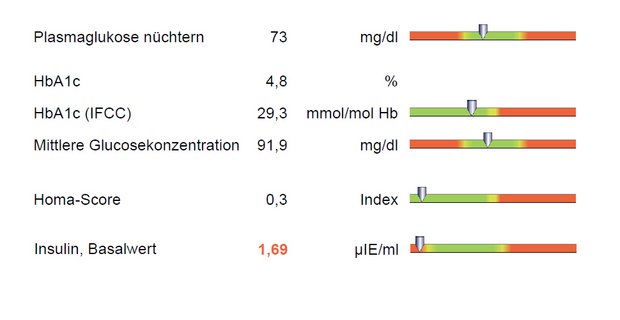
The measurement can be taken from either capillary or venous blood, and there are inexpensive devices available for home testing. The test measures the amount of glucose currently present in the blood. Guidelines recommend a fasting blood glucose level of <100 mg/dl (after at least 8 hours of fasting) and <160 mg/dl two hours after a meal. Between these points, even in healthy individuals who are following all dietary guidelines, the level can rise above 200 mg/dl. Personally, I keep my fasting blood glucose below 85 mg/dl and, under normal circumstances, don't want it to rise above 110 mg/dl after a meal.


Measurement of HbA1c - the "long-term blood sugar"
Red blood cells (erythrocytes), or rather the hemoglobin they contain, glycate at a fixed rate, meaning they bind to glucose at a fixed rate. This effect is used in blood glucose measurement to compensate for the significant fluctuations seen in direct measurements. It is assumed that erythrocytes have a fixed lifespan, and the measurement measures what percentage of the hemoglobin is glycated. This measurement thus represents the average glucose level over the lifespan of the erythrocytes. The more glucose was present during this time, the more hemoglobin is glycated. Therefore, a longer or shorter lifespan of the erythrocytes also influences the HbA1c level. More on this elsewhere.


Insulin measurement
When glucose is circulating in the bloodstream, the pancreas releases the hormone insulin. This hormone transports the glucose to the cells, where it is absorbed to be burned for energy in the mitochondria during the respiratory chain. The more glucose in the blood, the more insulin is produced, provided the pancreas is functioning properly. The target value used by my lab is unsuitable for my situation, as shown in the graph: I try to keep my insulin level as low as possible. I will gladly explain the reasons for this later.


Continuous blood glucose monitoring with a CGM sensor

CGM stands for Continuous Glucose Monitoring. This refers to small wearable devices that can be worn on the body for a specific period of time. CGM sensors measure glucose levels in the interstitial fluid at short intervals. This correlates with blood glucose levels, and, simply put, allows for the monitoring of blood glucose trends over time, not only instantaneously but also automatically via a smartphone. The sensors typically remain on the body for about 14 days and then need to be replaced.


Continuous blood glucose monitoring with CGM sensors

Reading next

Lektinfreie glutenfreie Pfannkuchen
Vermeintlich gesundes Gemüse ist lektinhaltig und kann uns krank machen

Disclaimer

The information and recipes contained on this platform and linked media reflect solely my personal experience and serve for informational purposes and as culinary inspiration. The recipes and nutritional information do not constitute medical advice, diagnoses, or treatments, nor are they intended as a substitute for professional medical advice or treatment. Any recommendations presented in the media we manage do not replace consultation with medical professionals or nutritionists. Readers with specific health concerns, food allergies, individual dietary needs, or medical conditions should seek professional medical advice before implementing the recipes or nutritional recommendations described here. The author, publisher, and operator of this platform assume no responsibility for any health problems or damages that may arise from the use of the recipes or information contained on this platform. It is strongly recommended that you seek qualified medical advice or consult a nutritionist before making any changes to your current eating habits if you have any health concerns. The authors and publishers of this media assume no responsibility for the accuracy or completeness of the information and recipes provided, and it is the reader's responsibility to consider any allergic reactions, food intolerances, or other health concerns. Furthermore, neither the authors, publishers, nor operators assume any guarantee or liability for the effectiveness of the presented measures. Zarastro GmbH is not responsible for the content of websites accessed via hyperlinks.

Allulose

This product or foodstuff has not yet been authorized for sale or use in the EU. The information provided in this context is for informational purposes only and does not constitute a recommendation to purchase or consume it. Use or consumption of this unauthorized foodstuff is at your own risk. We, the authors and the publisher, assume no responsibility for any health risks or legal consequences that may arise from the use of this unauthorized foodstuff. Furthermore, it is recommended that you familiarize yourself with the applicable laws and regulations in the EU before consuming or using this unauthorized foodstuff. It is the responsibility of consumers to ensure that they only consume or use products that comply with applicable laws and regulations. Before purchasing or using this foodstuff, it is recommended that you familiarize yourself with the current legal requirements and, if necessary, seek professional advice.