
What are lectins and what is a lectin-free diet?
In short
What are lectins and how do they work?
Lectins are plant defense proteins that can weaken the intestinal barrier . As so-called "antinutrients," they bind to the intestinal wall and can lead to increased permeability, often referred to as leaky gut . A lectin-free diet aims to reduce this burden in order to alleviate inflammation and support the regeneration of the intestinal lining.

What are lectins?
What is the problem with plant lectins?

No living being in this world wants to be eaten.
Not even a plant. However, plants can neither fight nor flee, which is why they have other defense mechanisms:
Lectins are plant proteins that plants use to defend themselves against predators. They are associated with the occurrence of chronic inflammatory diseases in humans.
Which foods contain lectins?
LECTIN-CONTAINING FOODS
Some plants have a hard shell for protection. Others have thorns or spines. And still others defend themselves chemically against their predators.
One of these defense mechanisms is lectins.
Immunologically relevant lectins are found in the following foods:
List of lectin-free and lectin-containing foodsWheat, spelt, einkorn, emmer, rye, oats...
Corn, quinoa, amaranth, buckwheat...
Beans, peas, soybeans, lupins...
Tomatoes, potatoes, peppers, zucchini, cucumbers, eggplants, aubergines, chili peppers...
It's not a plant, but Beta A1 casein is very similar in its effects to lectins.
Peanuts, cashews, chia seeds...
I like to talk about the so-called "diseases of civilization",
that is, diseases that only emerged in the last few hundred to thousand years
These have developed over the years. What if there is something in our food that doesn't kill us immediately, but nevertheless puts a strain on our health and eventually leads to overload and thus to the onset of illness?
Lectins are proteins found in plants that—to put it simply—protect them from predators or, for example, ensure that their seeds are preserved from digestion in the digestive tract of mammals. If you look closely, you'll notice that these are all plants that humans didn't originally eat: grains, legumes, tomatoes, potatoes, peppers, pumpkins, zucchini, cucumbers, to name just a few prominent examples. When I list the foods that fall into this category , it regularly causes a huge outcry.
Understandably so, since these "foods" are at the top of our society's menu.
There is a simple experiment to demonstrate the effect of lectins: C-reactive protein, or CRP for short, is an inflammatory marker and can be measured by any general practitioner. Eliminating lectins from the diet usually leads to a drastic drop in the CRP level, while reintroducing them causes the level to rise again immediately.
Dr. Christian Gersch , whose opinion I personally value highly, told me that the CRP level should actually be below the detection limit. The fact that most laboratories have set the normal value at 0.5 mg/dl (or 5 mg/l) is, in my opinion, simply because that's the average for the population. (As a reminder: almost 40% of Austrians over the age of 15 are considered to have a chronic illness ).
The scientific community is largely in agreement on this point: the higher the CRP level over the long term, the higher the probability of death. Doesn't that sound convincing?
https://www.statistik.at/statistiken/bevoelkerung-und-soziales/gesundheit/gesundheitszustand/gesundheitszustand-selbstberichtet
https://pubmed.ncbi.nlm.nih.gov/35225715/
https://www.ahajournals.org/doi/abs/10.1161/circ.129.suppl_1.p354
https://www.ahajournals.org/doi/abs/10.1161/circ.137.suppl_1.p238
https://linkinghub.elsevier.com/retrieve/pii/S0011-5029(09)00034-0
https://pubmed.ncbi.nlm.nih.gov/38482022/
https://www.drgersch.de/patienteninformationen/lektine-lebensmittel-liste-bei-lektinfreier-ernaehrung
Have you ever heard of leaky gut?
Did you know that a high intake of certain lectins is discussed as a cause of leaky gut ? Learn in our comprehensive guide how lectins can affect the intestinal barrier and what other factors play a role.

Dr. Christian Gersch
Virtually all of my patients have demonstrably become healthy thanks to a lectin-free diet.
THEIR INFLAMMATION REGULATIONS FALLEN BELOW THE DETECTION LIMITS.
That's exactly what I eat every day?!
Lectin-free foods
Many people are alarmed when you list the foods that contain lectins, to which our immune system can potentially react. Yet, according to current research, there are so many foods that can be enjoyed without lectins.
And even for those who absolutely cannot do without their tomatoes and potatoes, there are solutions, as these can denature lectins. Other lectins, such as those in corn, soy, and grains, do not denature under typical preparation methods.
Examples of lectin-free foods
Meat, eggs, dairy products
Wild-caught fish, meat from hens fed exclusively on grass, hay or green fodder, quail eggs, eggs from free-range chickens, sheep products: milk, cheese, yogurt, curd cheese, butter, cream, ghee, clarified butter, Jersey raw milk butter (A2 casein)
Vegetables
Broccoli, cauliflower, Romanesco, olives, capers, artichokes, chard, fennel, Brussels sprouts, cabbage, red cabbage, white cabbage, pointed cabbage, celery, celeriac, onions, spring onions
Shallots, leeks, asparagus, carrots, kohlrabi, horseradish, radishes, daikon radish, sweet potatoes, parsnips, beets, parsley root, mushrooms, garlic, wild garlic...
Dough and baked goods from TOBIO
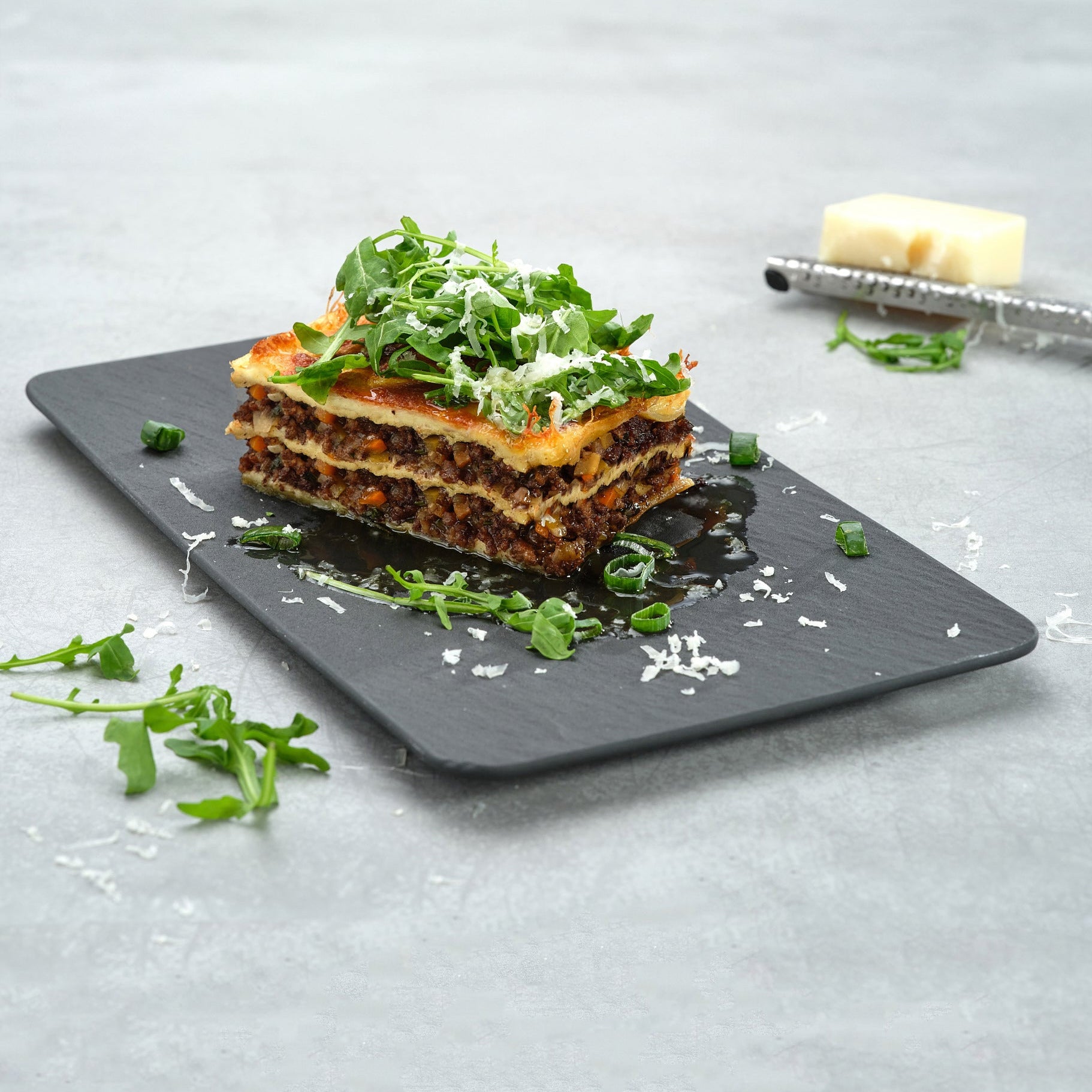
NOT QUITE:
DO LECTINS ALWAYS CAUSE PROBLEMS?
SOME PEOPLE CAN EAT LECTINS WITHOUT ANYTHING "HAKING"
Lectins bind to practically everything. That's why there are even studies that prove lectins bind to tumor cells.
With good mucin production in the intestine, the lectins can bind to the carbohydrates in the mucus layer and are excreted with it. In this case, the body doesn't notice them at all.
One problem: Many people don't produce enough mucin. The reasons for this are varied and can be summarized under the umbrella term "modern lifestyle"—with all its resulting consequences: low levels of soluble fiber/prebiotics, antibiotic medications and pesticides, dysbiosis of the gut microbiome, insufficient production of postbiotics...
When lectins come into contact with the intestinal lining for whatever reason, they trigger the so-called "tight junctions." These "gates" are actually designed to quickly absorb water molecules past the cells of the intestinal lining and into the bloodstream. If the tight junctions open uncontrollably, substances that don't belong there can also enter the bloodstream: large proteins, complex carbohydrates, fats, etc., which, if not broken down, shouldn't be there.
Our body has a great defense mechanism for such cases: our immune system.
This system now activates and fights off the perceived invaders. To speed up the process in the future, the immune system produces targeted immunoglobulins against these food components. And voilà: From now on, every further consumption of this food is associated with an activation of the immune system...
Knowledge about the danger posed by lectins is ancient.
DIFFERENT (TEACHING) OPINION ON LECTINS.
Below I would like to link to a few examples of how controversially the topic has been discussed recently.
https://www.blick.ch/life/gesundheit/ernaehrung/abnehmen/so-schaedlich-sind-lektine-gluten-sind-nicht-das-einzige-pflanzengift-id7076129.html
https://www.bfr.bund.de/cm/343/lektine-in-pflanzenbasierte-lebensmittel-gibt-es-ein-gesundheitliches-risiko.pdf
https://science.orf.at/v2/stories/2966762/
https://www.derstandard.at/story/3000000197831/rohes-gemuese-kann-giftig-sein-oder-ist-das-doch-nur-ein-mythos
https://www.bfr.bund.de/de/presseinformation/2021/32/bohnen_nur_gegart_geniessen-277639.html
https://www.diepresse.com/19369252/sind-linsen-aus-der-dose-erlaubt

What does the Federal Institute for Risk Assessment (BfR) say about this?
Risk characterization for the "healthy" general population
The German Federal Institute for Risk Assessment (BfR) is a scientifically independent institution within the portfolio of the Federal Ministry of Food and Agriculture (BMEL). It advises the Federal Government and the federal states on food safety issues.
Chemical and product safety. The BfR conducts its own research on topics closely related to its assessment tasks.
The German Federal Institute for Risk Assessment (BfR) published a statement/assessment on lectins in early 2024. The original article is publicly available for download.
https://www.bfr.bund.de/cm/343/lektine-in-pflanzenbasierte-lebensmittel-gibt-es-ein-gesundheitliches-risiko.pdf
The BfR concludes that lectins pose only a low risk to healthy individuals. I share this view and would like to elaborate on a few of the BfR's statements below. These can all be found in the original article under section 3.
[....]
Since sugar snap peas and peas contain only small amounts of lectins, they are exempt from this preparation recommendation and, according to the German Nutrition Society (DGE), can also be eaten raw in small quantities (DGE, 2016; BZfE, 2020). This also applies to many other lectin-containing foods such as tomatoes, mushrooms, and bananas. When consumed in moderation, most lectins are not expected to cause any adverse health effects in humans.
[....]
In contrast to the common opinion that one should eat lots of tomatoes, for example, the BfR sounds much more restrictive here and drastically limits the recommended quantity.
[....]
Lectins are glycoproteins found in various plant-based foods. Their effects are quantity-dependent and lectin-specific.
damage the microvilli (protrusions) of the intestinal mucosa and disrupt nutrient absorption, as well as causing clumping of red blood cells.
cause.
[....]
The fact that most people do not show lectin-related damage in the intestinal tract, even though they regularly ingest lectins with their food, could be due to the small amounts consumed, the protective layer of the intestinal epithelium consisting of carbohydrate-protein compounds (glycoconjugates), and the
The ratio of intestinal surface area to the amount of lectins from food is
[....]
This is a very good explanation for why lectins have no immunological relevance for some people.
[....]
In view of the potential toxic and partly allergenic (see 3.3) potential of lectins, combined with the expected increase in plant-based diets, the further development of analytical methods that can detect lectins in food simply and efficiently would be desirable in principle.
[....]
In my opinion, it is very worthwhile to consider what (negative) consequences a dietary recommendation towards more plant consumption could have.
[....]
Some lectins appear to possess allergenic potential in addition to their possible toxic properties (Barre et al., 2020). Lectins in the following six foods are listed by the WHO/IUIS
(World Health Organization/International Union of Immunological Societies) Subcommittee on the Nomenclature of Allergens classified as potential food allergens (allergen and associated lectin in parentheses): bananas (Mus a 2, class I chitinase), wheat (Tri a 18, wheat germ agglutinin), maize (Zea m 8, class I chitinase)
IV), beet (Bra r 2, chitin-binding protein), chestnut (Cas s 5, chitinase) and avocado (Pers a 1, class I chitinase) (Pomés et al., 2018).
The underlying mechanisms of action, the exact extent of the possible allergenic potential, and the clarification of whether other lectins from other fruits and vegetables also have potential allergenic effects.
Determining the precise nature of food allergens requires further scientific investigation.
[....]
What does AGES say about this?
In Austria, the AGES (Austrian Agency for Health and Food Safety) is responsible for these assessments. On its website regarding lectins ( https://www.ages.at/mensch/ernaehrung-lebensmittel/rueckstaende-kontaminanten-von-a-bis-z/lektine ), it states the following:
Eating foods with a high lectin content can lead to poisoning. Proper preparation of these foods is therefore important to reduce the lectin content . The first symptoms of poisoning appear after about two to three hours and range from mild stomach upset and abdominal pain to intestinal inflammation. Excessive consumption can, in the worst case, lead to death. Individual tolerance varies. Due to their lower body weight, children are particularly vulnerable.
To measure lectins, they are expressed in the unit hemagglutination (HAU). Measurements showed that raw red kidney beans contain 20,000–70,000 HAU, and after thorough cooking, the lectin content drops to 200–400 HAU. In one study, the lectin activity of various foods was measured in both raw and processed (soaked, cooked) states. Chickpeas had approximately 13,312 HAU/g in their raw state. After soaking for 12 hours...
and after 30 minutes of cooking, the lectin activity was reduced to 6,656 HAU/g.
Three things stand out:
- Assuming that the lectin content can at best be reduced, but not completely eliminated.
- If
When lectins are mentioned, the focus is generally on those found in legumes, as these can potentially cause the most serious acute symptoms. Lectins in grains that are generally heat-stable—such as WGA—are not yet considered. - Both the BfR and the AGES only assess the acute(!) danger and
Not those that assume chronic, continuous use. Like with others.
Health risks that may not be acutely dangerous, but are likely to become chronically serious (smoking, poor posture, repetitive strain, stress, etc.) are also worth considering when it comes to lectins.
Long-term effects…
What does the WHO say about this?
The WHO is also addressing such issues worldwide ( https://www.who.int/news-room/fact-sheets/detail/natural-toxins-in-food )
She comes to the following conclusion:
- Long-term health consequences include effects on the immune system, the reproductive system or the nervous system, as well as cancer.
- It should be noted that natural toxins can occur in a wide variety of plants and foods.
To minimize the health risk from natural toxins in food, it is recommended that:
- not to assume that something that is “natural” is automatically safe;
- Discard damaged, spoiled or discolored food, especially moldy food;
- Throwing away food that doesn't smell or taste fresh, or has an unusual taste; and
- Only eat mushrooms or other wild plants that have been clearly identified as non-toxic.
Like the BfR and AGES, the WHO primarily assesses the acute danger but also addresses potential long-term consequences. Furthermore, it is noteworthy that virtually all of the substances discussed are found only in plant-based foods.
CONCLUSION: Protection for your intestinal barrier.
Leaky gut often develops due to chronic stress on the intestinal lining. Lectins are a common, often unnoticed trigger . But don't worry: you don't have to completely change your lifestyle. By replacing lectin-rich foods with lectin-free alternatives, you can drastically reduce the strain on your body.
Remember: Well-being begins with smart choices, not deprivation.
Essential information about a lectin-free diet at a glance
FAQ with information & tips
Since a lectin-free diet often seems "controversial" at first glance, questions arise. Here you will find the most frequently asked questions and answers about a lectin-free diet.
What exactly do lectins do in my body?
Lectins are complex proteins that have the ability to bind to structures in the intestinal wall. This can challenge the natural intestinal barrier and affect its function. A diet rich in these substances is often associated with increased intestinal permeability ( leaky gut ), which can affect the body's balance.
Why do many people find a lectin-free diet beneficial?
Our modern diets often include high levels of processed lectins. Combined with a hectic lifestyle, this can strain the natural regenerative capacity of the intestinal barrier . Many people report a new sense of lightness and improved well-being once they reduce these stressors in their diet.
Is switching to a lectin-free diet complicated?
The biggest hurdle is usually the fear of deprivation. At TOBIO , we make it easy: You keep your eating habits, but swap out the base ingredients. Instead of giving up pizza, pasta, or bread, you simply use our lectin-free baking mixes . This way, you can still enjoy your food while your body gets a valuable break from lectin stress.
How long do I have to avoid lectins to see results?
This varies greatly and depends on your current health status and your desired outcome. Doctors with extensive experience in lectin-free diets usually recommend giving it at least three months to see if it works.
Is there a difference between lectin-free and gluten-free?
Yes, absolutely. While gluten is the most well-known lectin (found in wheat, rye, and barley), there are many other lectins in foods that are generally considered gluten-free—such as corn, brown rice, or legumes. Those who follow a gluten-free diet and still don't experience any improvement in their well-being could benefit from choosing lectin-free options, as these go a step further and more consistently avoid potential irritants.
Is a lectin-free diet also suitable for athletes?
Definitely. Athletes need efficient nutrient absorption and rapid recovery. Since lectins can interfere with mineral absorption (they act as "antinutrients"), choosing lectin-free foods can help the body utilize the food more effectively.
Disclaimer
The information and recipes contained on this platform and linked media reflect solely my personal experience and serve for informational purposes and as culinary inspiration. The recipes and nutritional information do not constitute medical advice, diagnoses, or treatments, nor are they intended as a substitute for professional medical advice or treatment. Any recommendations presented in the media we manage do not replace consultation with medical professionals or nutritionists. Readers with specific health concerns, food allergies, individual dietary needs, or medical conditions should seek professional medical advice before implementing the recipes or nutritional recommendations described here. The author, publisher, and operator of this platform assume no responsibility for any health problems or damages that may arise from the use of the recipes or information contained on this platform. It is strongly recommended that you seek qualified medical advice or consult a nutritionist before making any changes to your current eating habits if you have any health concerns. The authors and publishers of this media assume no responsibility for the accuracy or completeness of the information and recipes provided, and it is the reader's responsibility to consider any allergic reactions, food intolerances, or other health concerns. Furthermore, neither the authors, publishers, nor operators assume any guarantee or liability for the effectiveness of the presented measures. Zarastro GmbH is not responsible for the content of websites accessed via hyperlinks.