
Hashimoto's Diet –
why nutrition is often underestimated in Hashimoto's
Those diagnosed with Hashimoto's thyroiditis usually receive medication quickly – but rarely answers to the question:
Why does the immune system attack the thyroid in the first place?
Many affected individuals continue to suffer from, despite therapy:
- Fatigue
- Weight gain
- Brain fog
- Hair loss
- Digestive problems
- Cold sensitivity
- Lack of energy
- Mood swings
That is precisely why more and more people are looking into the topic of Hashimoto's Diet.
Because diet daily influences:
- Immune system
- Gut health
- Inflammatory processes
- Hormone balance
- Blood sugar
- Micronutrients
Hashimoto Diet: Why Standard Recommendations Often Fall Short
In everyday practice, the common recommendations are often:
- Adjust thyroid levels (i.e., administer the hormone T4 as medication)
- Regularly monitor
- Eat a balanced diet
- Reduce stress
This is not wrong and "works" symptomatically – but often incompletely.
Because many affected individuals report:
“My levels are okay, but I still don't feel healthy.”
This is where the question of potential everyday causes begins – and this is precisely where the (lectin-free) Hashimoto diet plays an important role.
Autoimmune Disease Doesn't Just Start in the Thyroid Gland
Hashimoto's thyroiditis is a disease of the immune system.
This means:
The thyroid gland is not the underlying problem – it is the target of the reaction.
So the crucial question is:
Why is the immune system chronically dysregulated?
More and more people are looking into:
- Gut barrier ("Leaky gut")
- Chronic inflammation
- Nutrient deficiencies
- Stress levels
- Environmental factors
- Dietary triggers like lectins or food allergens

Hashimoto's Diet and Leaky Gut
A frequently discussed connection is Leaky Gut Syndrome.
If the intestinal barrier is disrupted, substances can more easily come into contact with the immune system. This can promote adverse reactions.
This mechanism is particularly intensively discussed in the context of autoimmune diseases.
You can find more information in the background article on Leaky Gut, Diet, and Lectins.
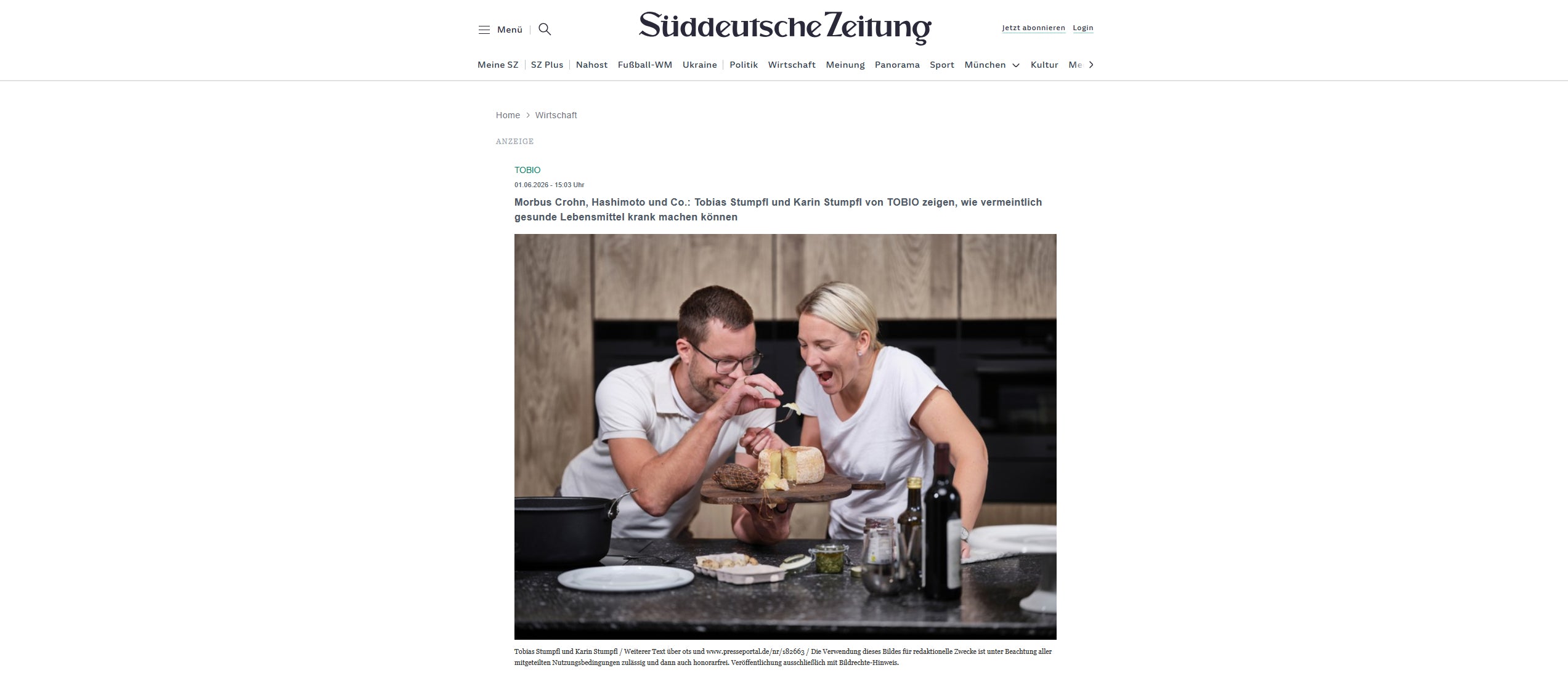
Crohn's disease, Hashimoto's and Co.: Tobias Stumpfl and Karin Stumpfl from TOBIO show how supposedly healthy foods can make you sick
What role do lectins play in Hashimoto's?
Lectins are mainly found in:
- Grains and pseudograins (sorry, that includes quinoa & co)
- Legumes
- Soy
- Beans
- Peanuts
- Tomatoes
- Bell peppers
- Potatoes
- Seeds with shells
It is believed that certain lectins in sensitive individuals can:
- "irritate" the intestinal wall or trigger receptors that lead to a leaky gut
- trigger and amplify immune responses
- promote chronic inflammation
For this reason, more and more people with Hashimoto's are increasingly opting for a low-lectin or lectin-free diet.
Tobias Stumpfl: Understanding Causes Instead of Managing Symptoms
Tobias Stumpfl also engaged intensively with chronic complaints, digestive problems, lack of energy, and the causes behind inflammatory processes.
His journey showed:
Those who only treat symptoms often remain trapped in a cycle.
Only when the causes are addressed does a real chance for improvement arise...
Leaky Gut, Mast Cells, and Hashimoto's – When the Immune System is Permanently Alarmed
A frequently overlooked connection in Hashimoto's thyroiditis concerns the gut barrier and the innate immune system.
In Leaky Gut Syndrome, the gut's "protective layer" is weakened. This allows food components, microbial substances, and irritants (things that don't belong there) to come into contact with the immune system more easily.
Mast cells play a central role in this.
Mast cells preferentially sit at the body's interfaces – especially in the gut, respiratory tract, and skin. They react quickly to potential hazardous substances and release messenger substances such as:
- Histamine
- Tryptase
- Cytokines
- Inflammatory mediators
If mast cells in the gut are repeatedly activated, it can have unpleasant consequences.
A permanently overstimulated immune system can contribute to the development of abnormal reactions against the body's own tissues – for example, against the thyroid gland.
This means: Not only the thyroid gland itself is relevant, but also the condition of the gut and the question of why the immune system is constantly sounding the alarm.
It's not about where symptoms become visible, but where their cause lies.
Precisely for this reason, the focus on the gut barrier, inflammation reduction, and potential triggers is gaining increasing importance in Hashimoto's.
Gluten-Free – But Not Automatically Better Immunologically
Many people with Hashimoto's thyroiditis already avoid gluten – and that is understandable.
Gluten has been a focus for years because in some people it can:
- Promote inflammatory reactions
- Influence the gut barrier
- Worsen symptoms
- Be problematic not only in celiac disease
However, a common mistake is:
Gluten-free = automatically healthy
Many gluten-free processed foods consist of:
- Corn starch
- Rice flour
- Potato starch
- Tapioca
- Sugar
- Industrial additives
- Highly processed substitute flours
- Wheat starch
This can mean: Gluten has been removed – but metabolic and immunological burdens remain.
Added to this is an important point:
While gluten is the best-known problematic plant protein – it is not the only one. Other lectins are also found in:
- Corn
- Rice (less, but present)
- Legumes
- Soy
- Tomatoes
- Bell peppers
- Potatoes
- Many other legumes, grains, pseudocereals, and seeds
So, simply switching from wheat bread to gluten-free bread often means going from bad to worse from an immunological perspective.
What matters is not the "gluten-free" label, but the overall effect on the gut and immune system. And that's where the topic of lectins comes into play.
Case study
The present case study involves a young woman who initially presented with typical symptoms of hypothyroidism and pronounced gastrointestinal issues. Persistent fatigue, reduced performance, heart palpitations, and severe food intolerances with diarrhea occurring immediately after meals were the primary complaints. Further diagnostic tests revealed Hashimoto's thyroiditis. An ultrasound examination of the thyroid also showed several small nodules. Consequently, medication with Euthyrox (T4 hormone preparation) was initiated.
Despite years of therapy, repeated dose adjustments, various dietary measures, and supplementary vitamin preparations, the symptoms largely persisted unchanged. In addition to ongoing heart palpitations and postprandial diarrhea, there was also unfulfilled desire for children.
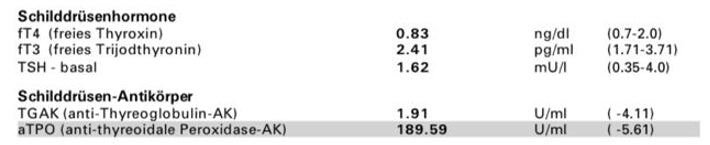
Before starting the lectin-free diet, laboratory tests showed the following pattern of findings:
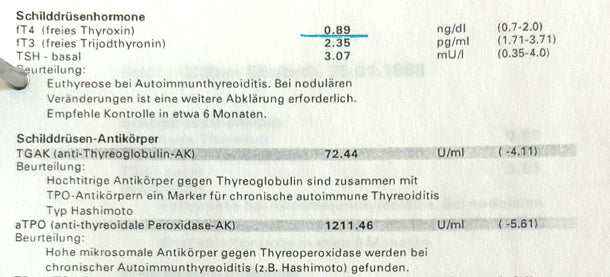
After consistently switching to a lectin-free diet...
...a remarkable clinical improvement occurred. The previously described symptoms disappeared completely. According to the patient, "the joy of life returned." In particular, there were no more postprandial diarrheas, digestion normalized completely, and the quality of life improved significantly. Heart palpitations and general symptoms of stress also decreased.
Several months after the start of the dietary change, laboratory tests also showed a significant improvement in the previously abnormal parameters:
- C-reactive protein (hsCRP), an unspecific marker of systemic inflammatory processes, normalized.
- Thyroglobulin antibodies (TgAb) were also back within the normal range.
- Anti-TPO antibodies were reduced by about 90% compared to the initial finding and continued to show a downward trend.
Overall, this resulted in a significantly regressive (or no longer present) autoimmune inflammatory process of the thyroid gland, so that the previously clear constellation of Hashimoto's thyroiditis in this manifestation was no longer detectable.
However, the most significant result for the young woman became apparent in the further course:
Her long-unfulfilled wish for children has now also been fulfilled.
This case study impressively illustrates the potential influence of dietary habits on immunological processes, gastrointestinal complaints, endocrine regulation, and reproductive health.
Can lectins affect the intestinal barrier?
Lectins are plant proteins found in various foods, including:
- Pulses & Seeds
- Cereals and pseudocereals
- Nightshade plants
Experimental models suggest that certain lectins may interact with the intestinal mucosa and control the permeability of tight junctions.
Note: Whether and to what extent this plays a relevant role in the human body varies from person to person and is not yet fully understood scientifically. Some people subjectively report better tolerance on a lectin-free diet. However, no general conclusion can be drawn from this. Please also see our disclaimer at the end of this page.


What are lectins?
Common symptoms associated with leaky gut
The described symptoms are often nonspecific and do not only affect the digestive tract. The following symptoms, among others, are discussed in connection with increased intestinal permeability:
Digestive complaints
- Flatulence
- changing bowel habits
- subjective food intolerances
- Irritable bowel syndrome-like symptoms
- Inflammatory changes in the intestinal mucosa
Skin-related conditions
- skin irritations
- inflammatory skin reactions
- flaky skin
General symptoms
- fatigue
- Concentration problems
- Joint pain
- Headaches / Migraines
- Lack of energy
These symptoms can have many different causes. A medical examination is always advisable if symptoms persist.
A lectin-free diet is therefore not primarily about adding something to the system that actively regulates these processes.
A lectin-free diet is based on the hypothesis that reducing potential burdens allows the body to regulate itself again. This process could look like this:

CONCLUSION
Hashimoto: A holistic understanding instead of just managing values
Hashimoto's thyroiditis is far more than an isolated thyroid problem. It is a disease of the immune system – and precisely for this reason, it is worth looking beyond mere lab values.
More and more affected individuals are realizing that factors such as:
- Gut health
- Leaky Gut Syndrome
- Chronic inflammation
- Lectins
- Blood sugar and insulin load
- Nutrient deficiencies
- Stress and lifestyle
can play an important role.
Especially a lectin-free diet offers an opportunity to influence these processes daily. Not through radical prohibitions, but through a conscious selection of foods that soothe rather than irritate the gut and immune system.
Many people treat Hashimoto exclusively with hormones (T4). However, this is merely symptom control and does not address the cause.
Therefore, more and more affected individuals are rethinking:
Not just controlling symptoms – but reducing possible causes in daily life.
Those who take their diet, gut health, and individual triggers seriously often lay the foundation for more energy, better resilience, and a new body awareness.
You don't have to figure everything out on your own.
If you would like to learn more about a lectin-free diet, we at TOBIO can help you.
We take care of:
- Continue to enjoy your favorite dishes with different ingredients and recipes.
- Orientation, Questions & Answers
- Help with food selection
- personal support
Without any promise of healing.
With structure and transparency.
What should I eat on a lectin-free diet?
Simply put: Eat what you love most. But please use different ingredients that do not contain lectins.
Beyond that, there are nuances such as macronutrient composition, targeted avoidance of foods that have caused intolerances over time (IgG, IgE, LTT...), and so on.
New lectin-free recipes

Fluffige lektinfreie BIO Waffeln mit TOBIO Backmischungen
Entdecke unser Rezept für lektinfreie BIO-Waffeln mit den TOBIO BIO Backmischungen. Schnell zubereitet, knusprig gebacken und natürlich köstlich.
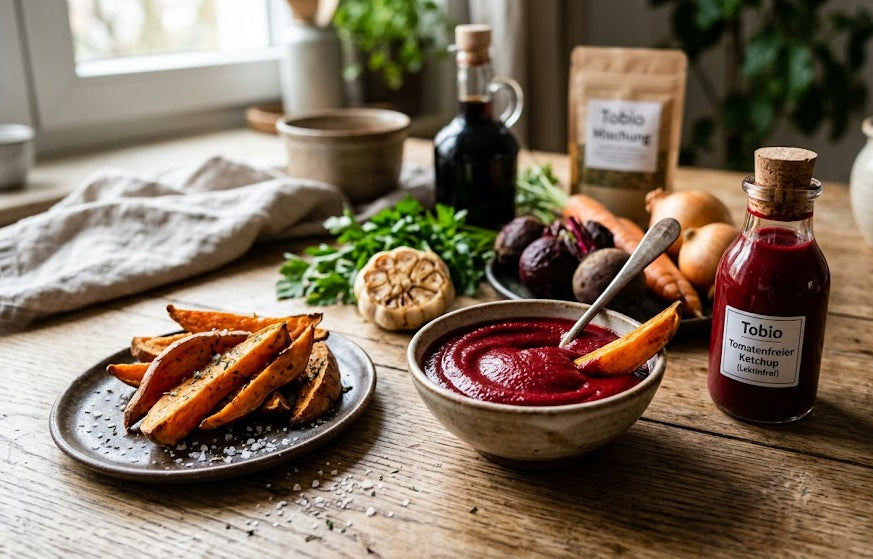
Tomatenfreier Ketchup (lektinfrei)
Entdecke ein leckeres Rezept für tomatenfreien Ketchup. Lektinfrei, cremig, natürlich gesüßt und einfach selbst gemacht – perfekt als Dip, Sauce oder Grillbegleiter.
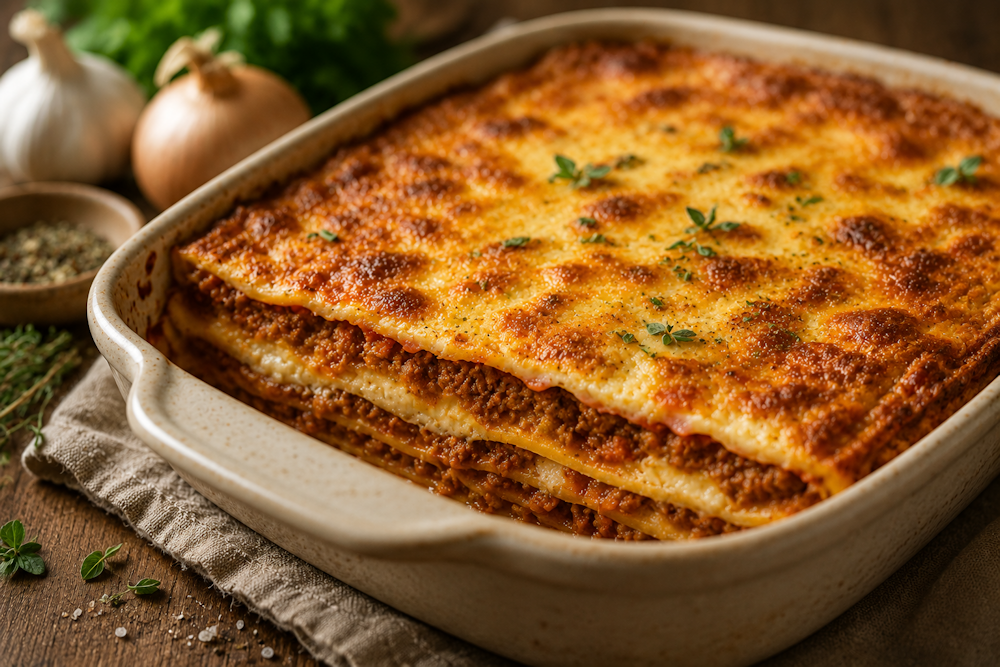
Lektinfreie Nomato Lasagne ohne Tomaten
Entdecke unsere lektinfreie Nomato Lasagne ohne Tomaten mit hausgemachten Lasagneblättern, cremiger Mornay-Sauce und aromatischer Nomato-Sauce aus TOBIO Bio-Zutaten.
Frequently Asked Questions (FAQ)
Can diet really affect Hashimoto's?
Yes, diet can alter important influencing factors such as inflammation, gut health, blood sugar, energy levels, and individual intolerances. Many sufferers report significant improvements through a targeted lectin-free Hashimoto's diet.
Should one avoid gluten with Hashimoto's?
Many affected individuals try a gluten-free diet, especially for digestive problems, autoimmune issues, or chronic fatigue. However, it's important to note:
Gluten-free does not automatically mean healthy.
While gluten is the most famous lectin, it is not the only one.
What role does Leaky Gut play in Hashimoto's?
Leaky gut syndrome is often discussed in connection with autoimmune diseases. If the intestinal barrier is weakened, substances can more easily come into contact with the immune system. This can promote adverse reactions.
Disclaimer
The information and recipes contained on this platform and linked media reflect solely my personal experience and serve for informational purposes and as culinary inspiration. The recipes and nutritional information do not constitute medical advice, diagnoses, or treatments, nor are they intended as a substitute for professional medical advice or treatment. Any recommendations presented in the media we manage do not replace consultation with medical professionals or nutritionists. Readers with specific health concerns, food allergies, individual dietary needs, or medical conditions should seek professional medical advice before implementing the recipes or nutritional recommendations described here. The author, publisher, and operator of this platform assume no responsibility for any health problems or damages that may arise from the use of the recipes or information contained on this platform. It is strongly recommended that you seek qualified medical advice or consult a nutritionist before making any changes to your current eating habits if you have any health concerns. The authors and publishers of this media assume no responsibility for the accuracy or completeness of the information and recipes provided, and it is the reader's responsibility to consider any allergic reactions, food intolerances, or other health concerns. Furthermore, neither the authors, publishers, nor operators assume any guarantee or liability for the effectiveness of the presented measures. Zarastro GmbH is not responsible for the content of websites accessed via hyperlinks.